
Property scams: how can you rent or buy safely?
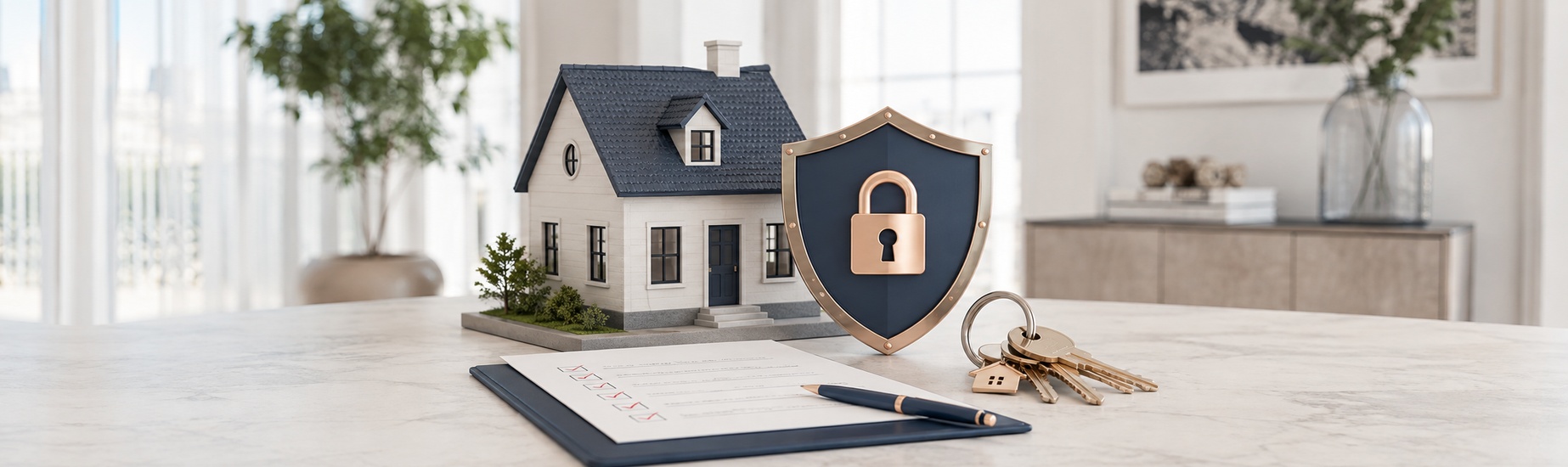
A property scam often relies on the same tactics: a very attractive price, a contact who is difficult to verify, and an urgent request for money. Before renting or buying, check the advert, the identity of your contact and whether the property actually exists. Above all, do not let yourself be pressured into acting in a hurry.
The Grand Ducal Police draws attention in particular to the fake lettings of non-existent properties. In this type of scam, victims are asked to pay to book a flat that they have not been able to view.
How can you spot a property scam?
A fraudulent advert rarely displays just one obvious sign. Rather, it is the combination of several unusual factors that should set alarm bells ringing.
| Warning signal | Good reflexes |
|---|---|
| Significantly lower than the market price | Compare it with several similar properties in the same area. |
| It is not possible to view the property | Do not pay any money to book accommodation that you have not been able to check out. |
| The owner is always based abroad | Check their identity and ask why visits are not permitted. |
| Strong pressure to reach a decision quickly | Please take the time to check the information. |
| Unusual payment request | Please check the purpose of the payment and the beneficiary’s details. |
| Excessive requests for personal data | Check the identity of the person you are communicating with before sending sensitive documents. |
| Bank reference or LuxTrust reference received via text message | Do not use this link. Please use the app or the official website instead. |
The police advise people to be wary of offers that seem too good to be true. They also advise cutting off contact if an advert appears to be fraudulent.
How can you spot a fake property advert?
A price that is significantly lower than that of comparable properties is an early warning sign.
So do compare the property with several other listings in the same neighbourhood. Look for properties with similar floor areas and features.
Please also take a look at the photos and the description. Inconsistent images, limited information or very generic text warrant further checking.
Next, get in touch with the advertiser directly. Ask for the address, details of the property and whether you can view it.
If someone consistently refuses any visits, this should put you on your guard.
In particular, the police describe a rental scam in which non-existent flats are advertised at attractive prices. Prospective tenants are then encouraged to pay a deposit to reserve them.
How can you avoid a property scam when renting?
To avoid falling victim to a property scam when renting, first check that the property and the person you’re dealing with actually exist.
Visit the property whenever possible. Make the most of the viewing to check that its features match the advert.
Our guide These 10 questions to ask during a property viewing can help you prepare for this stage.
What sort of tenancy guarantee may be required?
A European rental guarantee may be agreed upon when the tenancy agreement is concluded.
In Luxembourg, it must not exceed two months’ rent. According to Guichet.lu, it is used, in particular, to cover rent, service charges or any damage caused.
Where a tenancy guarantee is required, an initial inventory must be signed no later than the day the tenant moves into the property.
You should therefore be wary of any claim that exceeds the statutory amount. Similarly, always ask what exactly each sum claimed relates to.
Do you have to pay to book accommodation before viewing it?
Be very careful if you are asked to pay to «reserve» a property you have never seen.
The Grand Ducal Police specifically cites this scenario as one of the rental scams. In particular, it recommends not paying a deposit if an offer seems suspicious.
Before making any payment, you should therefore check the goods and verify the identity of the person you are dealing with. You should also check the document justifying the amount requested.
How can you avoid a property scam when buying a property?
A property scam can also involve a purchase. As the sums involved are substantial, every person you deal with and every request for payment must be checked.
If you are using an agency, check that it is a legitimate business and verify its contact details.
In Luxembourg, the profession of estate agent is regulated. In particular, it requires a residence permit.
The professional must also meet the requirements for carrying out this activity.
If you are in any doubt, contact the agency using the contact details published on its own website or in an official register. Do not rely solely on the number or address provided in a suspicious message.
Why should you check the preliminary agreement before signing?
A preliminary sale agreement is a binding legal commitment. It should therefore never be signed in haste.
Check the identity of the parties, the property, its price and the terms and conditions. If your purchase is subject to a loan, pay particular attention to the condition precedent relating to the financing.
Our guide The guide to the preliminary sale agreement sets out the key points to check before signing.
If you are unsure about a clause, seek advice before committing yourself.
What personal data needs to be protected?
When searching for a property, you may sometimes need to provide personal details. This is particularly the case when putting together a tenancy application.
However, do not immediately send all your documents to someone you do not know.
First, check their identity and the reason for the request.
Please take particular care with:
- copies of identity documents; ;
- bank details; ;
- detailed proof of income; ;
- credit card details; ;
- bank details; ;
- LuxTrust codes or verifications.
The police advise against sending copies of personal documents in response to a suspicious advert.
Furthermore, no reputable bank or company will ever ask you for your login details over the phone. The police have, in particular, reported cases of fraud involving people posing as bank or LuxTrust employees.
How can you secure a property payment?
Any sudden change to bank details must always be verified.
If you receive a new IBAN by email or text message, do not simply reply to that message. Verify the information via another channel that you are already familiar with.
Please also be careful with links to banking services.
The Grand Ducal Police recommends accessing your bank only via its official app or official website. It even advises against using a link found via a search engine.
Finally, be wary of any sense of urgency. Someone who insists on an immediate bank transfer may sometimes be trying to prevent you from carrying out checks.
What should you do if you suspect an advert is fraudulent?
Stop trading if several elements seem suspicious to you.
Please do not transfer any more money or provide any further personal details.
Then keep the available items:
- the announcement; ;
- emails and messages; ;
- the contact details used; ;
- screenshots; ;
- any IBAN; ;
- proof of payment.
If the advert is published on atHome, use the function that allows you to report a suspicious advert. Our team will then be able to look into it and take the necessary action.
However, reporting the matter to the platform does not replace the need to report it to the police when fraud or an attempted fraud has taken place.
What should you do if you fall victim to a property scam?
If you think you have been the victim of a property scam, act quickly.
If you have made a payment or provided your bank details, contact your bank immediately. If a card is involved, have it blocked.
You should also change your passwords if you have shared your login details or used a fake website.
Next, keep all evidence. Telephone numbers, messages, screenshots, web addresses and financial records may be useful.
The Police recommends that a complaint be lodgede, even where the damage appears to be limited. Depending on the circumstances, some complaints may also be lodged online.
What are the 7 steps to avoid a property scam?
To reduce the risk of falling victim to a property scam, bear in mind these seven tips:
- Compare the price with similar properties.
- Check the identity of the person you are speaking to.
- Visit the property before you commit.
- Check every payment request.
- Protect your documents and your online banking access.
- Read the contracts before signing them.
- Please report any suspicious situations immediately.
A good deal must always be verifiable. If urgency, secrecy or pressure take the place of concrete information, check the situation before proceeding any further.
Frequently asked questions about property scams
How can you tell if a property advert is too good to be true?
Compare the price with several similar properties in the same neighbourhood. A price significantly below the market rate does not necessarily indicate fraud, but it does warrant further investigation. Be particularly cautious if the attractive price is accompanied by an inability to view the property, a contact person who is difficult to identify, or an urgent request for money.
Can a landlord ask for two months’ rent as security?
Yes. In Luxembourg, the rent guarantee can be as high as up to two months’ rent. Where requested, this must be provided for in the tenancy agreement. An inventory of fixtures must also be signed no later than the day of moving into the property. Detailed rules are available at Guichet.lu.
Does an estate agency need to be authorised in Luxembourg?
Yes. The profession of estate agent is regulated in Luxembourg. In particular, estate agents must hold a licence to practise and comply with the conditions applicable to the profession. You can consult the Official terms and conditions of use on Guichet.lu.
Where can I report a property scam?
Any fraud or attempted fraud can be reported to the police. If you have suffered any loss, keep any messages, screenshots, contact details and supporting documents you have. You can then find out how to make a complaint. If the advert appears on a property website, please also report it to that website.

Written by
atHome.lu
Posted on
26 August 2026