
What colours are suitable for the rooms in the house?
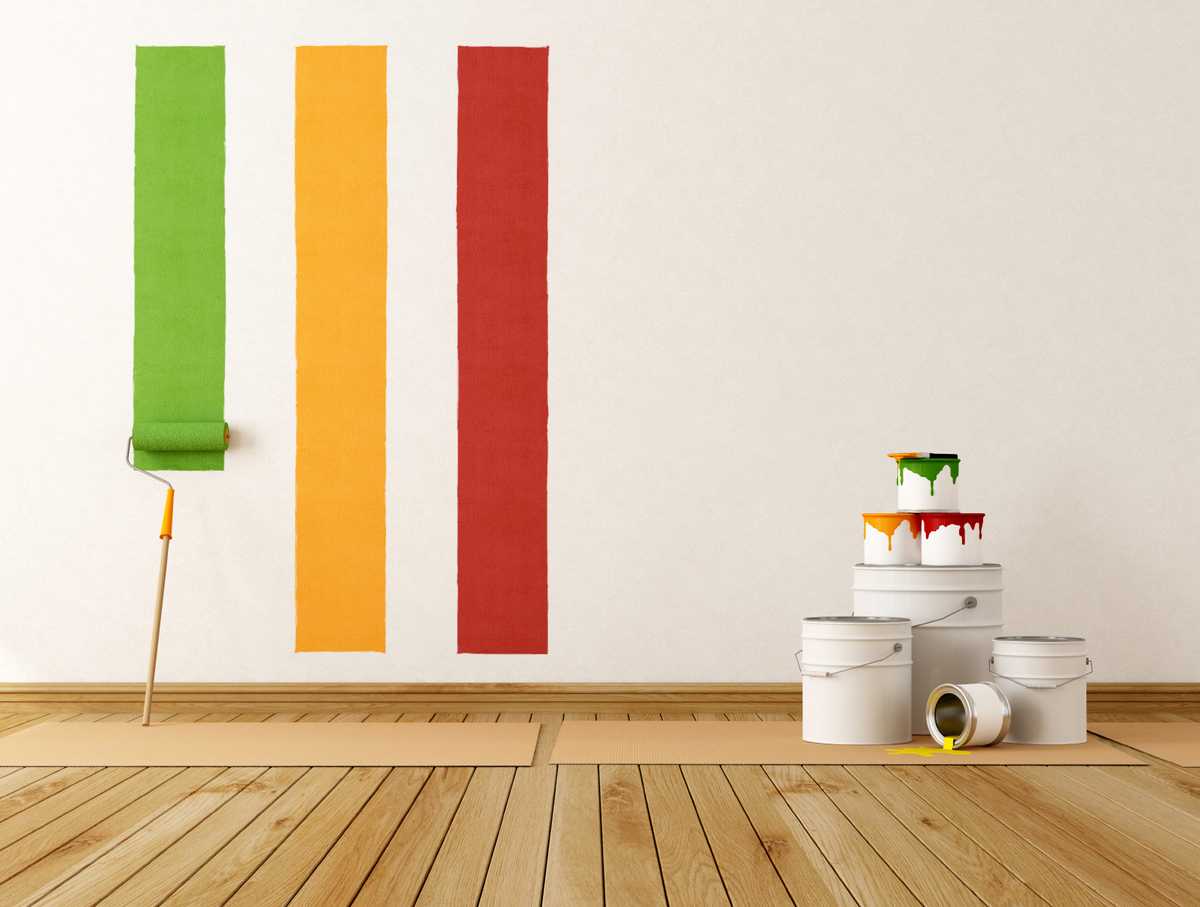
As you know, colours can influence mood and emotions. Let's take a look at the right colours for different types of rooms.
The science of colour is not new. About 2000 years ago, the ancient civilisations of Egypt and China used colour in healing processes and studied nature for signals relating to its use in everyday life. The preference for certain colours is very personal and there is a lot of psychological research into the attraction of certain types of characters to particular colours. In your home, for your walls or furniture, think about the nature and function of a room before you choose the colours for your interior.
White
White predominates in interiors, either alone or as a base for other bright colours. Like other cool colours, white makes the space larger. From a symbolic point of view, white embodies purity and innocence. In decoration, it inspires cleanliness and feelings of optimism and hope.
Parts: all
Red
Red captures our deepest emotions: courage, love, anger, passion and danger. This vibrant colour works well in dining rooms as a bright, formal colour that can also stimulate the appetite and aid digestion.
On the other hand, red increases your blood pressure and heart rate, so be careful if you use it in the bedroom. Although it stimulates passion, it can also cause nervousness and insomnia.

Room: dining room, kitchen
Pink
This pretty, candy-coloured hue awakens emotions. Often associated with femininity and little girls, pink is used in children's rooms.
Room: girl's bedroom
Yellow
Yellow is the happiest colour on the spectrum. It is so cheerful that sailors sailing solo around the world painted their below-deck quarters yellow to combat sadness. Yellow is fresh, warm and cheerful. It sharpens the memory, stimulates conversation and inspires ideas and communication. It can aid digestion and stimulate appetite and circulation.
Combined with its partners in the primary range, blue and red, yellow inspires a childlike energy. Combined with its complementary colour, purple, located at the opposite end of the colour wheel, yellow suggests regal formality. This colour is well suited to offices or living rooms with little natural light.
Room: living rooms
Brown
This colour gives rooms a relaxed and natural feel. Like other earth tones, it is a warming colour. It works well on a single, prominent wall, but be careful not to overdo it or the room will become dull and drab.
Room: highlighted wall in the living room
Blue
Feeling blue? But you can't blame blue, because it's refreshing and calm. This classic also goes well with all colours, from white to yellow or orange. You can also combine blue and green.
Blue represents authority, loyalty and sincerity. It can incite emotions of serenity, peace and sadness. Blue is said to lower blood pressure and breathing speed, and to be relaxing.
Room: bedroom
What are the property prices at the moment?
Violet
Part deep red, part cool blue, this rich colour exudes sophistication. Violet embodies a royal, mysterious and majestic character. It encourages reflection, reverie, creativity and spirituality.
Violet is said to lower blood pressure and soothe the digestive and other organs.
Like orange, shades of purple look good on highlighted walls. Don't hesitate to use lighter shades, such as mauve or lilac, in larger spaces.
Room: bedroom
Green
Green is a light, fresh colour that goes well with neutral and bright tones. It represents nature, fertility and envy, and promotes creativity and peace. Green is also said to calm the nerves and reduce stress.
As a fresh colour, green is ideal for attracting the sun and the warmth of the afternoon. For its inspiration, it looks good in the kitchen. For its soothing properties, it is suitable for bathrooms or bedrooms.
Room: bathroom or living room
Orange
Orange is the ideal colour for winter because it is warm and attractive. The colour suggests vigour and activity and, like yellow, it is a great colour to combine with and inspires an atmosphere of fun. It can be combined with other citrus colours for contrast, or with ochre and rusty orange tones to set the mood and warm up a room.
Room: living rooms
Black
Black inspires countless emotional and cultural associations. From a symbolic point of view, it is the colour of mourning. Black also embodies mystery, power and sophistication. It can be depressing and cause fatigue. On the other hand, black symbolises inner strength. It can enhance other colours if used in contrast with bright tones.
Parts: to be used sparingly, by touch.

Written by
Fanny Pimentel
Posted on
17 September 2015