
By the fire
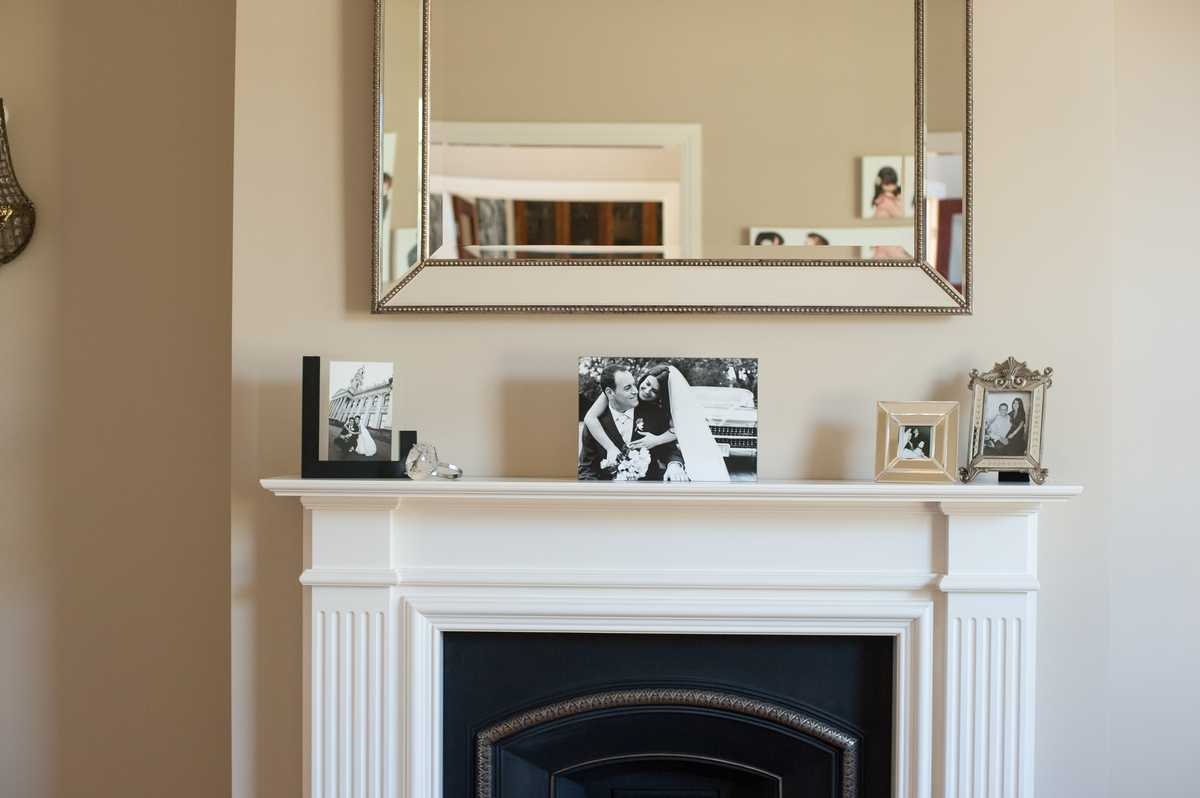
Being a cocoon also means enjoying an evening by the fire, reading, chatting with family or friends, or simply letting your imagination run wild as you watch the flames. A sweet dream. But it must not turn into a nightmare because of a badly designed or inadequate installation.
In autumn as well as in winter, stoves and open fires give the household an atmosphere of simple pleasure and well-being. Of course, the fireplace is no longer the main source of heat. It has become a source of atmosphere, of a little "flame" that is so much more pleasant than central heating. That said, the soaring - no pun intended - price of oil is increasingly giving the fireplace an important place in the home's heating system, one that is much more than a simple supplement. This is demonstrated by the fact that, while the fireplace for an open fire or a stove had a clear tendency to disappear in the construction industry for a while, it is now almost always present. In renovation work, it is also being brought back into use.
What choices should be made? The first thing to think about is the fireplace itself. This is a straightforward area, as architects and professionals in the sector will be able to give you all the right advice.
Four principles
However, it is important to remember certain general points that are essential for the proper operation of a fireplace. Four main principles must be respected: provide a good air supply, adapt the size of the chimney to the volume of the room, respect the ratio (width x height) between the volume of the flue and the size of the fireplace, and have a clear exit from the flue.
In the past, no dwelling was insulated and caulked as they are now. This means that the air supply was natural. Now the insulation is complete. However, one kilo of dry wood consumes no less than 3.5 m3 of air to burn. Hence the need for a fresh air supply under the fireplace or in its immediate vicinity. This inlet, fitted with a fine grille, can be taken from the outside or from another room (cellar, ventilated basement, etc.) provided - obviously! - that this room does not contain flammable products. And if, by chance, your fireplace is located in a large space that brings together, without any real separation, for example, the living room, dining room and kitchen, this ventilation will play an even more important role when your kitchen hood is in operation, since it also generously sucks in the air from the room.
What are the property prices at the moment?
The size of the fireplace - in this case an open fire - should be adapted to the size of the room. A fireplace that is too large will consume a lot of firewood and will require a lot of fresh air, with the unpleasant draught that will result.
The relationship between the volume of the flue and the size of the fireplace should be calculated by the specialist - who should not forget the height of the flue, which is often overlooked as an important factor - because everything depends on the size of the fireplace.
Finally, the flue must extend at least 40 cm above the roof ridge and must be in the low pressure zone, not in the pressure zone of the prevailing winds. Correct flue discharge will only be possible if the flue is not reduced anywhere, which is often the case in older buildings, and the chimney must either be lined or replaced. Finally, the outer part of the flue should be well insulated, otherwise the combustion gases will cool down suddenly and cause liquid soot.
It should be noted that fireplaces with an insulated flue are increasingly seen on the inside. The advantage of this is that the insulation eliminates the danger of too much heat, but the flue still helps to heat the room.
Do we even need to remind you that there can only be one fireplace per flue and that the chimney sweep must be carried out annually (or even twice a season in the case of intensive use), if it is not simply compulsory?

Written by
Fanny Pimentel
Posted on
02 February 2012